Quietum Plus: Hearing Support Supplement, Price, Ingredients & Buying Guide
A practical, source-conscious look at the current Quietum Plus offer: package pricing, seller-reported formula ingredients, safety questions, guarantee terms, digital bonuses and what established hearing-health sources actually say.
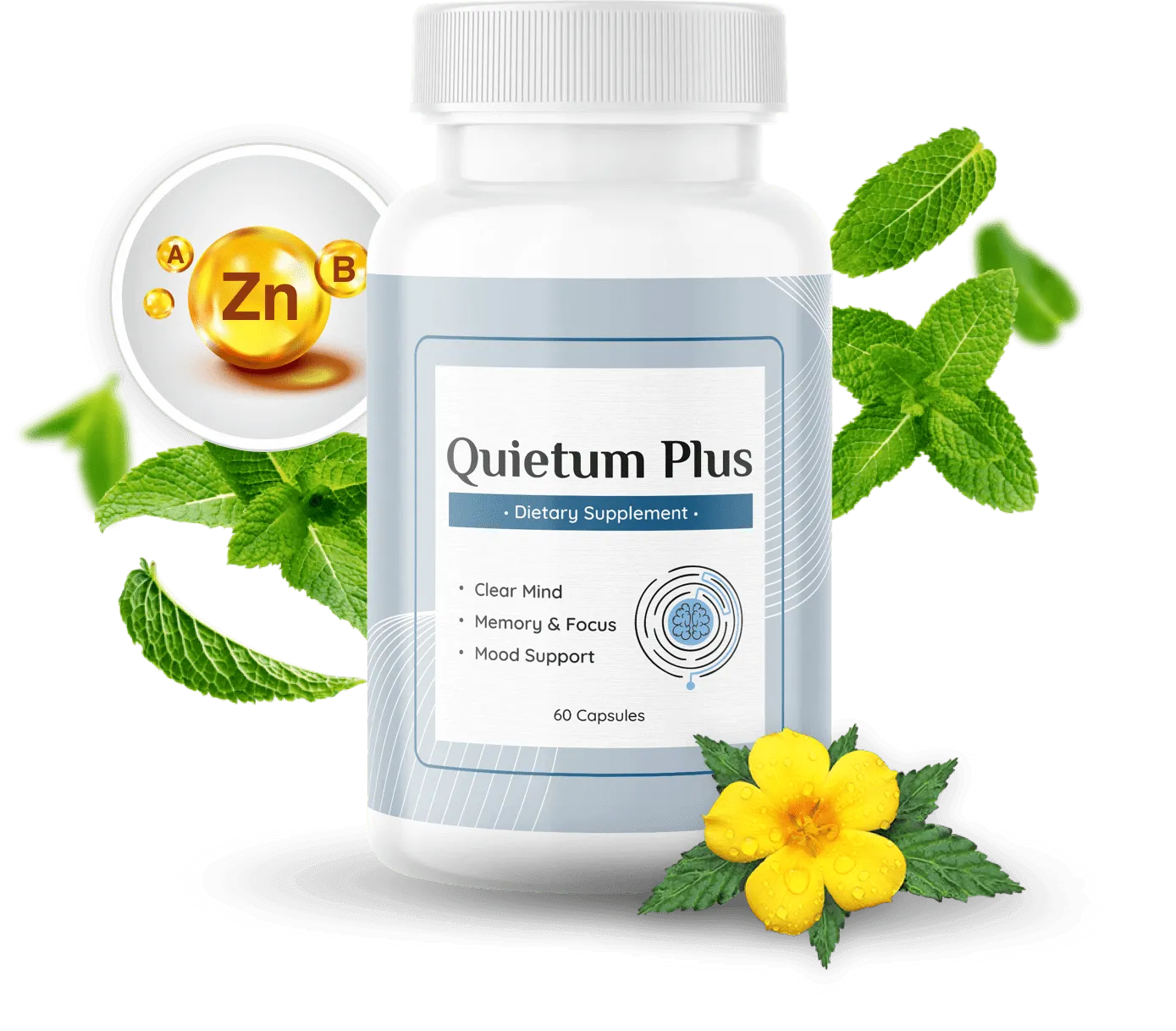
Quietum Plus at a glance
Quietum Plus is marketed as a dietary supplement in the hearing-wellness category. This guide does not assume that marketing claims establish clinical effectiveness. We separate what the seller currently presents from what public-health and scientific sources support.
Price & package options
The package graphic supplied for this project shows three current options. Prices, shipping and extras can change, so use the marked purchase link to verify the live checkout before ordering.
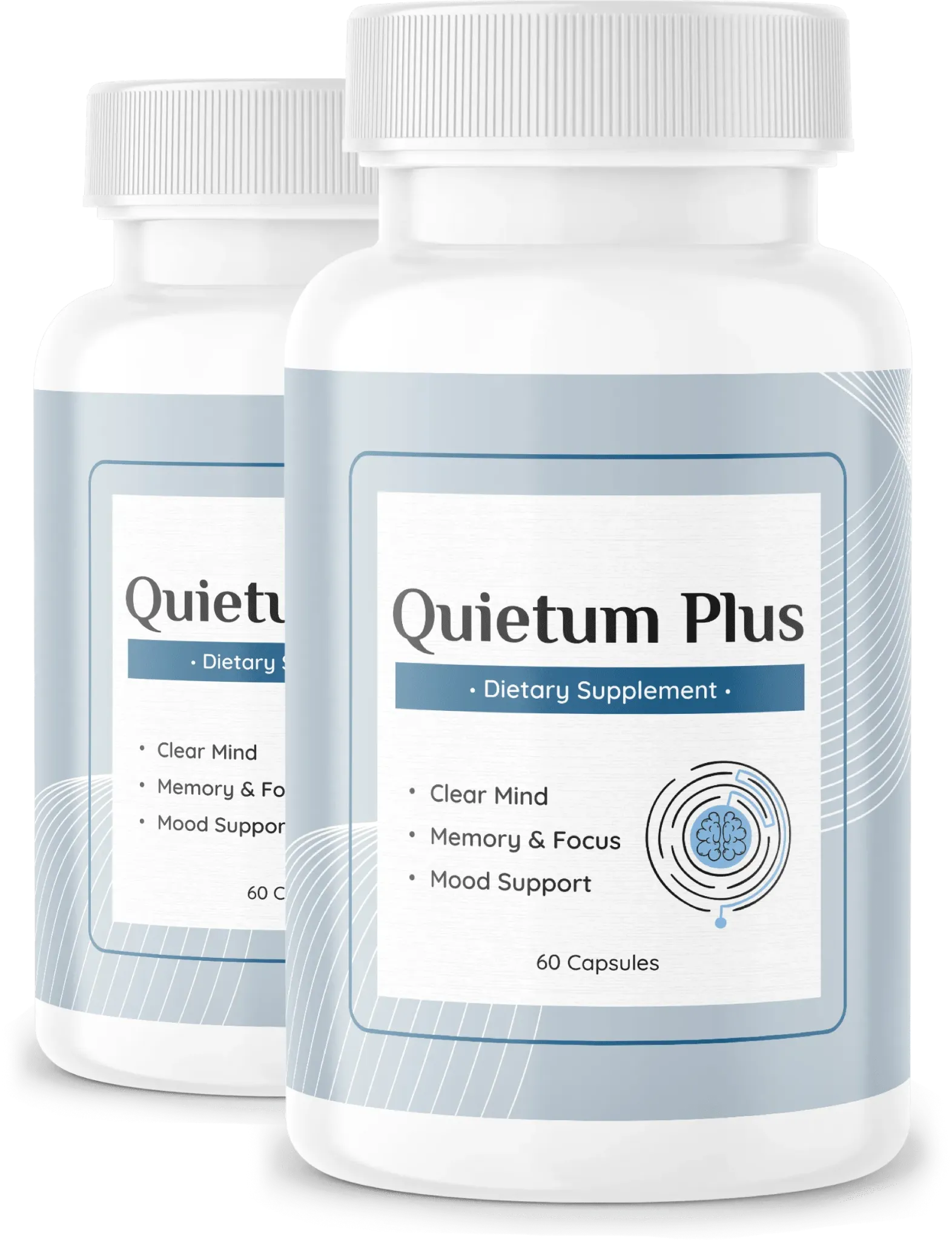
2 bottles
- $158 package total
- 60-day supply shown
- $9.99 shipping shown
- 60-day guarantee shown
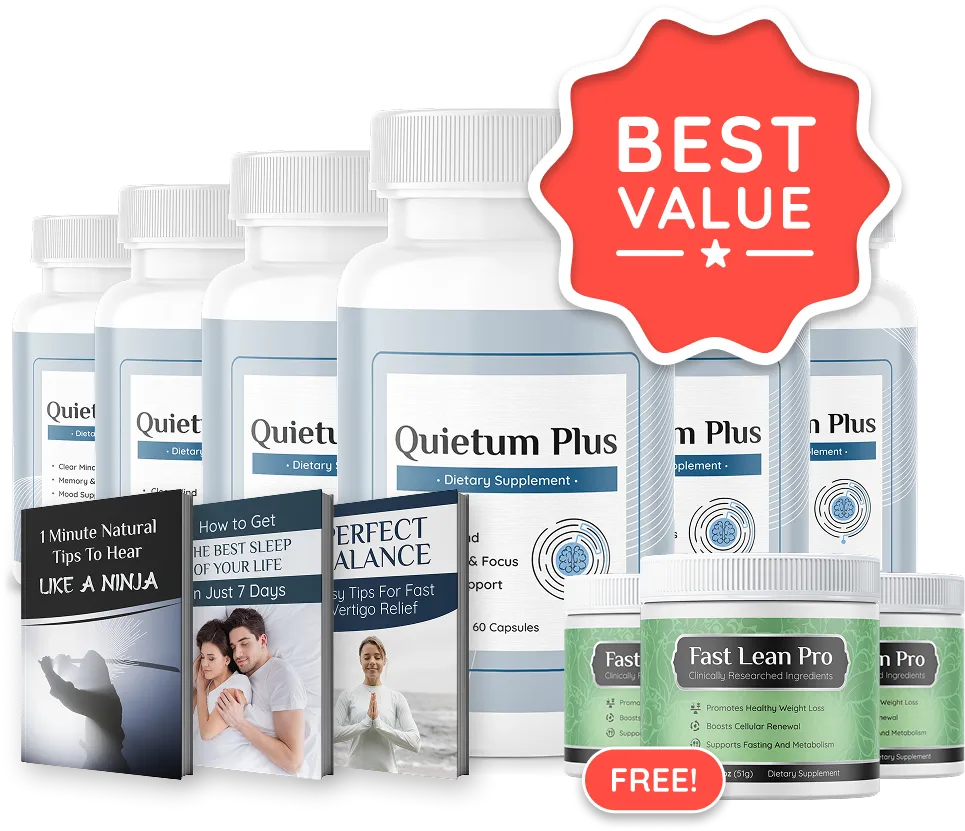
3 + 3 bottles
- $294 package total
- 180-day supply shown
- Free shipping shown
- Three digital ebooks shown
- 60-day guarantee shown
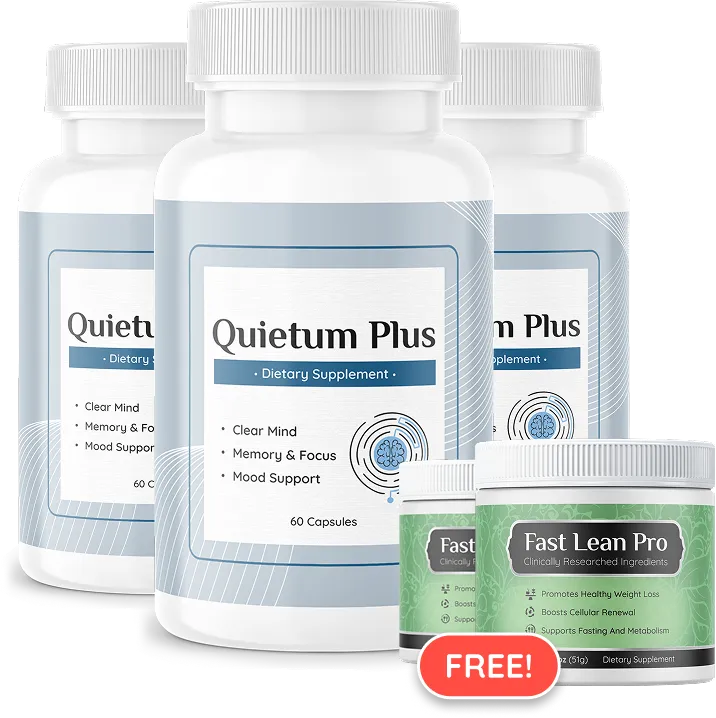
2 + 1 bottles
- $207 package total
- 90-day supply shown
- Free shipping shown
- 60-day guarantee shown
A supplement—not a hearing-loss treatment
Quietum Plus is presented as a dietary supplement rather than a drug or hearing device. FDA explains that dietary supplements are regulated differently from drugs and that the category can include vitamins, minerals, botanicals and amino acids. That distinction matters: a supplement offer should not be read as evidence that the product can diagnose, treat, cure or reverse a hearing disorder.
The current seller presentation places the product in a hearing-wellness context and names a broad botanical/nutrient blend. Because we do not have a genuine current Supplement Facts panel showing ingredient amounts, serving size and exact forms, this site does not invent those details.
What we verify vs. what we do not
- We can verify the supplied package prices and guarantee period shown.
- We can identify ingredient names used in seller materials.
- We can compare individual ingredient research from authoritative sources.
- We cannot verify exact ingredient amounts without the genuine Supplement Facts panel.
- We do not claim the finished product is clinically proven for tinnitus or hearing loss.
Ingredients: marketing list vs. evidence
Seller materials have named ingredients including ashwagandha, ginger, zinc, L-tyrosine, L-arginine, maca, Mucuna pruriens, piperine and other botanicals. Ingredient research can tell us about an ingredient in a particular preparation and dose; it does not automatically prove the finished Quietum Plus formula has the same effect.
Ashwagandha
NCCIH notes that some preparations have evidence for stress and insomnia, while safety considerations include possible drowsiness, stomach upset, rare liver injury and medication interactions. That is not evidence that Quietum Plus improves hearing.
Research summary →Ginger
NCCIH describes research mainly around nausea and several other uses, with potential digestive side effects. Hearing-related benefit is not established merely because ginger appears in a formula.
Research summary →Zinc
NIH ODS describes zinc as an essential mineral with established nutritional roles and warns that excess intake can be harmful and interact with medicines. A nutrient's essential role is not proof of product efficacy.
Research summary →What hearing-health authorities say
NIDCD describes tinnitus as the perception of sound without an external source and notes that it often coexists with some degree of hearing loss. It also states that vitamins, herbal extracts and dietary supplements commonly advertised as tinnitus cures have not been proven effective.
Tinnitus
There is currently no cure for tinnitus, although management approaches may reduce its impact for some people. A supplement should not replace evaluation when symptoms are persistent or concerning.
Learn about tinnitus →Age-related hearing loss
Hearing often changes gradually with age. NIDCD discusses evaluation and established assistive options; a supplement is not a substitute for hearing testing or hearing devices where appropriate.
Read the guide →Noise exposure
NIDCD explains that loud sound can permanently damage hearing and that risk depends on loudness, distance and exposure time. Prevention remains a concrete, evidence-based action.
Protect your hearing →
60-day guarantee
The supplied seller material presents a 60-day money-back guarantee. Buyers should keep order confirmation details, packaging and any required bottles until the refund window has passed. Return rules can change and may require contacting the seller or order processor before shipping anything back.
This independent website cannot look up an order, issue a refund, change a subscription or confirm a return address.
Three digital bonus titles shown with the 6-bottle offer
The current promotional material supplied for this project shows three ebooks. Titles are reproduced to identify the offer, not to endorse or independently validate the health claims contained in those titles.
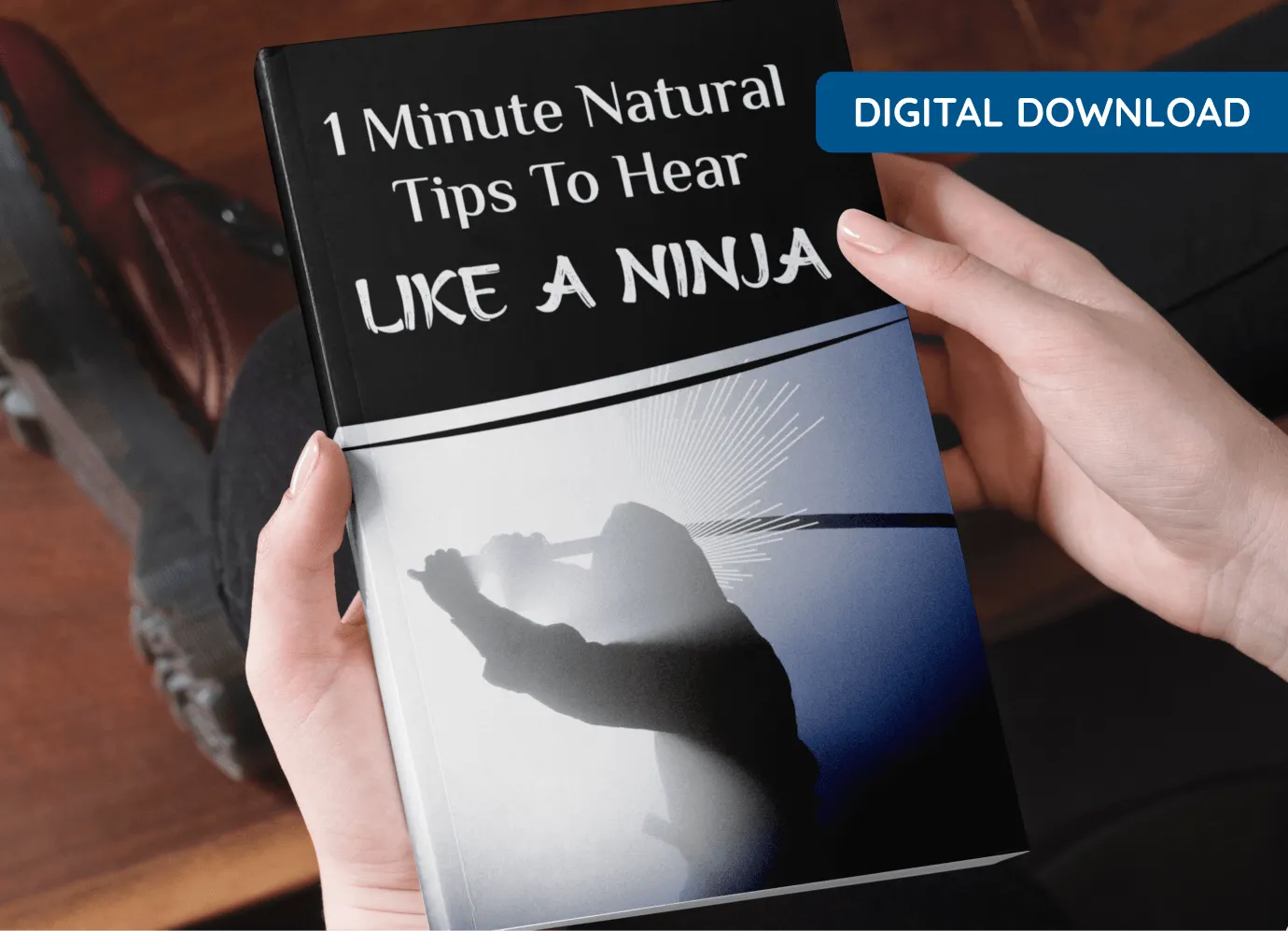
Hearing tips ebook

Sleep guide ebook

Balance guide ebook
Questions worth answering first
Do you know the exact label?
Check the Supplement Facts panel on the bottle you receive. Compare ingredient forms, amounts and serving directions with your medications and health history.
Safety checklist →Are symptoms being evaluated?
Do not delay a hearing evaluation because of a supplement. Sudden hearing loss and some forms of pulsatile tinnitus can require prompt medical attention.
When to get tested →Is the package right for you?
Compare total cost, shipping, guarantee timing and how much product you realistically want before choosing a larger quantity.
Compare packages →Build useful knowledge beyond the product
How hearing works
A plain-language tour from outer ear to cochlea and auditory pathways.
Read guide →Tinnitus vs. hearing loss
Why ringing or buzzing is not the same thing as loss of hearing sensitivity.
Compare them →How loud is too loud?
Understand why level, distance and exposure time matter.
See the noise guide →When to get a hearing test
Signs that professional hearing evaluation is worth considering.
Read checklist →Supplements & tinnitus
What established sources say—and why ingredient studies can be easy to overinterpret.
Review the evidence →Evaluate hearing claims
A practical checklist for distinguishing research, label facts and marketing.
Use the checklist →How this guide separates facts, marketing and evidence
Supplement pages become confusing when packaging claims, seller copy, ingredient research and medical guidance are blended together. We keep them in separate evidence buckets so a buyer can see what is actually known.
1. Product & transaction facts
Package prices, shipping charges, guarantee duration, capsule count shown on the front label and promotional bonus titles come from the current seller materials supplied for this project. These details can change, so we date them and tell buyers to verify the live checkout.
We do not publish the direct seller sales-page URL. Commercial buttons use only the affiliate links supplied by the site owner and are marked as sponsored links in the HTML.
2. Ingredient-level science
When we discuss a named ingredient, we look for authoritative material from NIH, NCCIH, PubMed or similar sources. We ask whether the research used the same form, dose and outcome that a marketing claim implies.
Because the genuine current Supplement Facts panel has not been supplied, exact Quietum Plus ingredient amounts are not asserted. This prevents an older or third-party label from being silently treated as current.
3. Hearing-health guidance
For tinnitus, age-related hearing loss, noise exposure and hearing testing, NIDCD is a primary reference. Its guidance is independent of the product and is used to set the evidence boundary around supplement claims.
That boundary is important: NIDCD states that vitamins, herbal extracts and dietary supplements commonly promoted as tinnitus cures have not been proven effective.
Why we do not use the supplied review-count graphic
The seller pricing artwork supplied for this project contains a customer-review count and star graphic. We do not reproduce that number as our own rating or add AggregateRating schema because we have not independently verified the review dataset, collection method or current count. This keeps the site from turning seller social proof into a fabricated structured-data signal.
Why the missing Supplement Facts panel matters
A front bottle image can identify the product and capsule count, but it cannot tell us the serving size, exact ingredient amount, extract ratio, standardized constituent, “other ingredients” or label warnings. Those details affect both safety and whether a research paper is relevant. Until a genuine panel is available, this site intentionally uses the phrase “seller-reported ingredient list” rather than presenting a reconstructed label.
How to decide whether the offer fits you
1. Start with the reason you are shopping
If you are mainly concerned about ringing, reduced hearing, dizziness or another symptom, start by deciding whether the symptom itself needs evaluation. Buying a supplement and obtaining a hearing assessment are separate decisions. The supplement should not be used to postpone care for sudden or concerning symptoms.
2. Verify the exact product
The front-bottle artwork supplied for this project shows 60 capsules, but it does not provide the current back-panel Supplement Facts. When a bottle arrives, compare the label to the ingredients you expected, check directions and warnings, and make sure seals and packaging are intact.
3. Compare total cost rather than the headline discount
The six-bottle package has the lowest stated bottle price, but it also requires the largest upfront spend. The two-bottle package costs more per bottle and currently shows a shipping charge. A rational comparison includes cash outlay, how long you want to use the product, refund timing and whether you are comfortable storing a multi-month supply.
4. Separate evidence from testimonials
Promotional pages may use customer stories, star graphics or strong mechanism language. Those can influence buying decisions, but they are not equivalent to randomized trials on the finished product. This site intentionally omits unverified star ratings and does not create testimonials.
5. Review interactions before starting
The seller-reported ingredient list includes botanicals and nutrients that can have side effects or interactions. Ashwagandha, ginger and zinc all have safety considerations documented by authoritative sources. Without exact label amounts, a pharmacist or clinician cannot fully assess risk until you have the current bottle.
6. Preserve your refund options
Keep the order confirmation, transaction ID, bottle packaging and any seller communication until the 60-day guarantee period has passed. If you intend to request a refund, start early enough to follow the required process and retain tracking for any return shipment.
Key independent references
These independent public-health and consumer-protection sources provide context for hearing health and dietary-supplement claims. They are not seller links.
Ready to compare the current Quietum Plus packages?
Review the current package choices and pricing, or watch the current presentation before deciding which option fits you.